

I need to make a confession. Last Thanksgiving, my cousin threw a wooden road piece from Catan directly into my gravy boat. It was a clean, beautiful shot. The gravy splashed, my aunt gasped, and the game which had already dragged on for two excruciating hours of "no, I won't trade you my brick for your sheep" was declared dead on arrival.
We’ve all been there.
For decades, family board games meant one of two things: mind-numbing roll-and-move slogs where the winner was decided by pure luck three hours ago, or hyper-competitive battlegrounds that ended in tears, flipped tables, and silent treatments. But it doesn't have to be this way. The golden age of tabletop gaming has quietly arrived over the last decade, and frankly, if you are still pulling out Monopoly or Life every time the family gathers, you are committing a minor crime against your own free time.
Let's fix that.
The Modern Evolution of Family Game Night
Actually, let’s look at why those old games fail us. They rely heavily on player elimination (which is just cruel to the eight-year-old who gets knocked out in round ten and has to sit in the corner) or endless, un-skippable loops. Modern game designers realized something revolutionary: games should keep everyone involved until the very end, and they should offer actual choices.
Take something like The Crew: Quest for Planet Nine. It’s a cooperative trick-taking game. If you've ever played hearts or spades with your grandparents, you'll feel an immediate spark of familiarity here. But instead of playing against each other, you’re working together to complete specific missions in space. It completely flips the script. While understanding classic game of spades rules and strategy will give you a massive head start on how to manage your hand, the cooperative twist means nobody is getting picked on. We win together, or we crash our spaceship into the void together.
And honestly? Crashing together is half the fun.
I keep coming back to this point because it's crucial: the best games aren't necessarily the ones with the most complex rules. They are the ones that create shared memories. They provoke laughter, mild betrayal, and those "did you see that?" moments that get talked about at breakfast the next morning.
Finding the Best Board Games for Families (Without the Screaming)
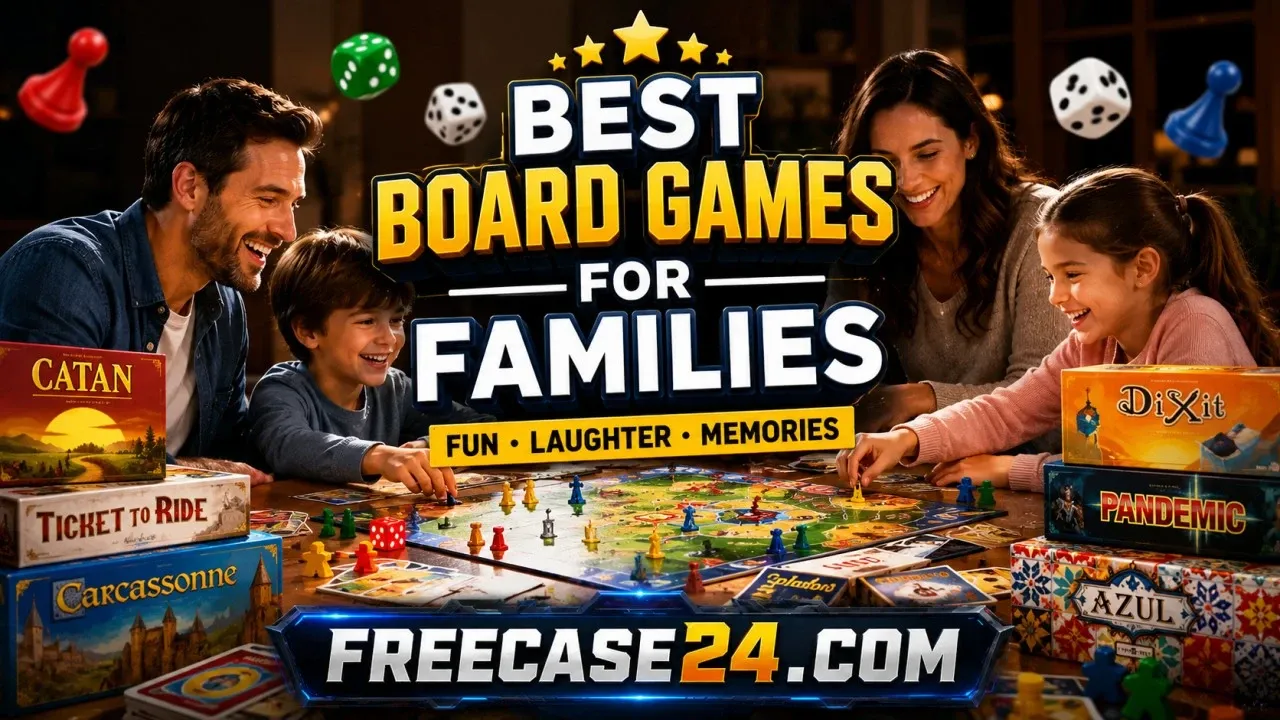
Let’s get into the meat of it. When you’re looking for the absolute best board games for families, you aren't just looking for high ratings on specialized forums. You're looking for games that bridge the generational gap. Your eight-year-old niece needs to comprehend it, your teenager needs to not roll their eyes, and your seventy-year-old father needs to be able to read the cards without searching for his reading glasses for twenty minutes.
Here are my absolute, battle-tested favorites that actually work across generations:
- Ticket to Ride: The ultimate gateway. It’s elegant. You collect colored train cards, you claim routes on a map of North America (or Europe). There’s just enough tension to keep it exciting, but it’s gentle. If someone blocks your route to Seattle, you don’t cry; you just quietly plot your detour.
- Codenames: This is a word-association masterpiece. Two teams, two spymasters giving one-word clues to help their team find their secret agents on a grid of words. It’s incredible because it reveals how people think. When my sister said "Animal: 2" and expected me to guess "Turkey" and "Bat," we ended up in a twenty-minute debate about whether a turkey is technically more "animal" than "bird." It’s brilliant.
- Cascadia: A newer entry, but oh my word, it is beautiful. You’re building a Pacific Northwest ecosystem with tiles and wildlife tokens. It is incredibly soothing. It feels like a warm hug in board game form. No one is attacking you, you’re just making a lovely little home for some salmon and grizzly bears.
But sometimes, physical boards can feel like a lot of setup, especially if the kids are used to instant gratification. I’ve noticed my younger cousins often transition best when we bridge the digital-physical divide. If they’re glued to quick, instantly accessible HTML5 games on their tablets, showing them a fast-paced physical card game with similar snappy feedback loops is the secret weapon to getting them off the screens.
How to Keep the Little Ones Engaged Without Boring the Adults
This is the holy grail, isn't it? Finding something that doesn’t make the adults want to stare into the sun while still being simple enough for the younger kids.
My golden rule here is to look for games with high sensory appeal or fast, simultaneous turns. If kids have to wait ten minutes for four adults to calculate their optimal economic moves, they will wander off or start building towers out of the game components.
Actually, before we even sit down at the table, I like to introduce game-based logic through simpler mediums. I’ve seen parents have great success using colorful, interactive setups like those found on Pink Cat Games to teach basic turn-taking and rule-following before introducing them to the physical tabletop. It acts as a lovely, low-friction primer.
Once they're ready for the cardboard, try King of Tokyo. It’s essentially Yahtzee, but you’re a giant mutant monster punching other monsters in downtown Tokyo. It has chunky green dice, cardboard standees, and a ton of energy. Kids love rolling the dice to smash their parents, and honestly, adults love the simple, push-your-luck strategy of it too.
Family Game Night Survival Guide (FAQs)
How do I choose the best board games for families who hate losing?
Go cooperative. Seriously. Games like Forbidden Island, The Mind, or Pandemic shift the dynamic completely. Instead of playing against each other, the table plays against the system. If you lose, you all lose together. It somehow softens the blow because you can blame the game instead of your sibling.
What if my family has wildly different age groups playing together?
Look for "roll-and-write" or simultaneous action games. Games like Welcome To... or Cartographers are perfect because everyone plays at the same time. No one is waiting for their turn, which completely eliminates the boredom factor for both energetic kids and distracted grandparents.
Is Monopoly actually as bad as everyone says it is?
Short answer: yes. Long answer: yes, because it was literally designed in the early 20th century to teach people about the evils of land monopolies, not to be a fun Friday night activity. It relies on player elimination, which means someone gets knocked out early and has to watch everyone else play for two hours. Skip it. We have better options now.
What's the best way to teach rules without everyone losing interest?
Never read the rulebook cover-to-cover to a waiting crowd. That is a recipe for instant mutiny. Instead, watch a quick 3-minute YouTube tutorial together beforehand, or set up the game and play a "dummy round" where everyone plays open-handed. Learning by doing is infinitely better than listening to a lecture.