
Project Zomboid Map Guide: Best Loot & Safe Base Locations

Post Object ( [id] => 215 [created_date] => 1784937600 [slug] => project-zomboid-map [thumbnail_url] => /files/images/project zomboid map.webp [title] => Project Zomboid Map Guide: Best Loot & Safe Base Locations [content] =>

I still remember my first real run in Project Zomboid. Actually, let's call it what it was: a absolute disaster. I had managed to survive four days a personal record at the time and had successfully hoarded a decent collection of canned peaches, a slightly chipped frying pan, and a pristine copy of The Llama Comic. I felt like a king. Then, the helicopter came. Panic set in, I bolted out the back door of my Rosewood home, sprinted blindly into the dense tree line to the east, and immediately got lost. No map. Pitch black night. Running till my character was huffing and puffing, only to trip over a twig and crawl straight into the waiting arms of a small horde.

If I had just understood the geography, or even how to read the damn project zomboid map properly back then, maybe that character wouldn't have ended up as a midnight snack. But that's the beauty and the absolute cruelty of this game. It doesn't hold your hand. It drops you into a massive, unforgiving representation of 1993 Kentucky and essentially says, "Good luck, try not to die."

Navigating the Massive Project Zomboid Map: A Map of Broken Dreams

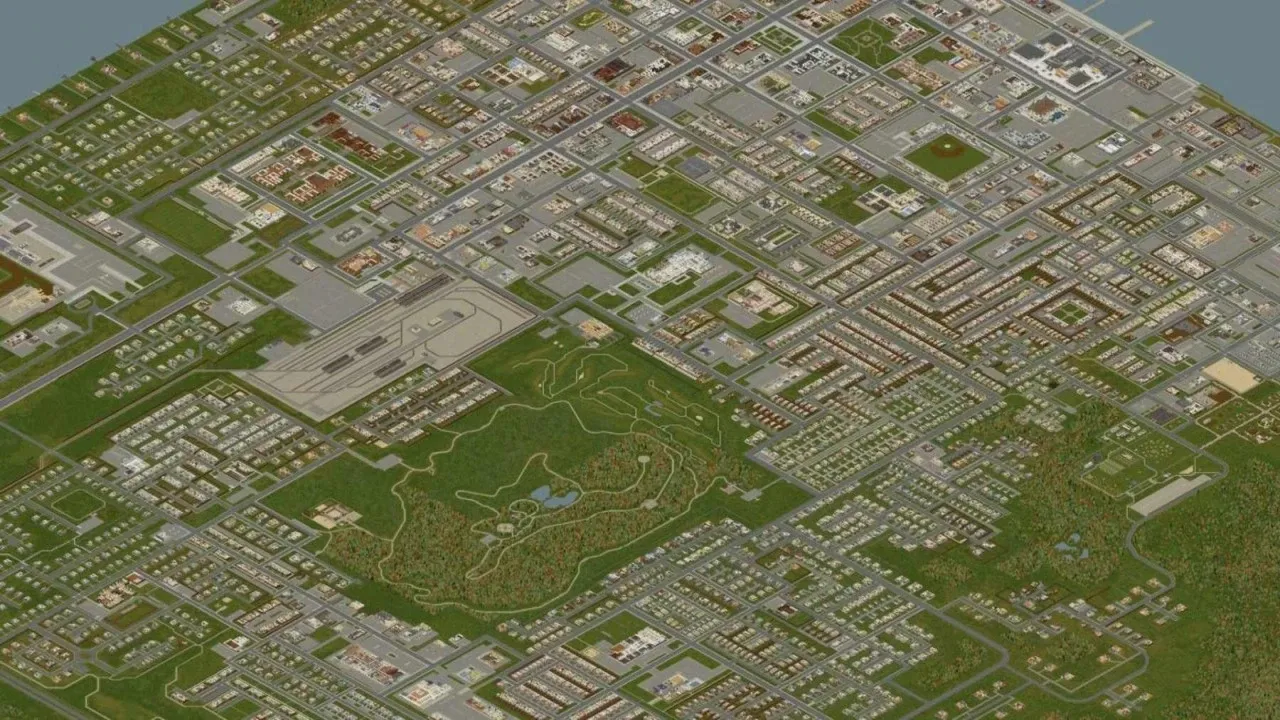
Let's talk scale. The Knox Country map is huge. Like, ridiculously big. If you've only ever played games with small, self-contained open worlds, the sheer distance between towns here will shock you. We are talking about miles of empty, zombie-infested highways, dense forests where you can lose your bearings in five seconds flat, and tiny rural farms that might contain the holy grail of survival loot or absolutely nothing but a rusted rake.

Actually, when you first start, the map can feel incredibly empty. But that's a trick. It’s designed to make you feel isolated. The main towns Muldraugh, Riverside, Rosewood, and West Point are your primary hubs, each with its own distinct flavor of misery.

  • Muldraugh: A massive industrial drag. It's got plenty of warehouses loaded with tools, but the main highway is a literal death trap of abandoned cars and thousands of wandering dead.
  • Rosewood: Personally, my favorite place to start. It feels compact. You have a fire station (the ultimate base location, let’s be honest), a police station right across the street, and a gated community. But it lacks high-end industrial loot.
  • Riverside: Quiet, scenic, right by the Ohio River. It feels safer, but the loot is incredibly spread out. If you don't have a working car, you're going to get some serious blisters.
  • West Point: If you enjoy high-stress situations and constant screaming (mostly your own), this is the place. It's incredibly dense, has fantastic loot, and is absolutely crawling with zombies because of its proximity to Louisville.

And then, of course, there is Louisville. The metropolis at the top right of the map. I didn't even attempt to go there until I had about 150 hours in the game. It is a completely different beast. Navigating Louisville without a plan is basically clicking "create new character" with extra steps.

The Struggle of Looting and Knowing Where to Go

Here is the thing about survival: you can't just wander around hoping to stumble on a generator manual. You need a destination. But in-game, your map starts mostly blank, filled in only as you explore or find physical town maps in gas stations and glove compartments.

A lot of players rely heavily on the external, community-created web maps. I used to feel a bit guilty about this. Is it cheating to have a perfect, high-resolution satellite map of the entire state open on my second monitor? Maybe a little. But when the alternative is losing a three-month-old character because you took a wrong turn into a dead-end alley in West Point, I choose survival. Every single time.

Sometimes, though, your brain gets completely fried from planning routes, calculating zombie density, and managing your carry weight. When I reach that point of peak gaming stress, I usually have to take a break. I'll load up something incredibly simple and low-stakes like some quick, browser-based distraction on casual online gaming sites just to let my adrenaline levels drop back down to normal human levels before I dive back into the apocalypse.

How to Map Your Way Out of a Corner (Literally)

If you are playing vanilla without external maps, you need to become an active cartographer. This is an aspect of the game I ignored for way too long. Grab some colored pens and an eraser. Seriously, don't leave them behind when looting school desks.

The in-game mapping tool is surprisingly deep. You can draw, place symbols, and leave notes. Here is the system I eventually developed after dying way too many times because I forgot which safehouse had my spare food stash:

  • Red Skull: Horde spotted. Avoid at all costs.
  • Green House: Safehouse with a secured perimeter, bed, and water source.
  • Blue Exclamation Point: High-value loot left behind (like a heavy generator or a car battery charger I couldn't carry at the time).
  • Black Question Mark: Unexplored building that looks promising.

It takes a bit of discipline to actually sit down and update your map at the end of every day, but it adds an incredible layer of roleplay. It makes the world feel like your world. It's funny how we crave structure when everything goes to hell. It actually reminds me of how we used to argue over the rules for kings cup game back in college; without those rigid, self-imposed guidelines, the whole thing just devolves into utter chaos. The same goes for surviving Knox County. If you don't stick to your mapping rules, you will get sloppy, and sloppiness is a death sentence.

The Spawning Dilemma: Choosing Your Starting Point on the Project Zomboid Map

Where you spawn dictates the first week of your life. If you spawn in a cramped trailer park in Muldraugh, your immediate priority is finding a weapon that isn't a butter knife. Spawn in a nice, quiet two-story suburban home in Rosewood, and you might actually have time to watch Life and Living TV and eat some fresh ice cream before the power cuts out.

I initially thought West Point was the premier choice because of the gun store and the hardware shop. But after trying it three times and failing to make it past day two, I realized I wasn't that guy. I am a slow, methodical player. I like to build walls, plant cabbages, and pretend the world isn't ending. For players like me, the rural areas on the outskirts of the main towns are goldmines. There’s a beautiful three-house lakeside spot just west of West Point that is practically a paradise very few spawns, plenty of fishing, and plenty of wood.

When you finally manage to secure a base like that, clear out the surrounding area, and sit down on a couch to eat a hot meal, the relief is unmatched. It's almost as comforting as ordering a real-life pepperoni pie and chilling out with some top pizza edition games to decompress. You've earned that moment of peace because you know that tomorrow, you have to pack up your car and head back into the meat grinder.

Frequently Asked Questions About the Project Zomboid Map

Is the Project Zomboid map based on a real place?

Yes, absolutely! The game is set in Knox County, Kentucky, and many of the towns like Muldraugh, West Point, and Louisville exist in real life. While it isn't a 1:1 GPS-accurate recreation, the developers have done an incredible job of capturing the layout, highway systems, and general vibe of rural Kentucky in the early 1990s. It adds a spooky layer of realism to the whole experience.

How do I reveal the entire project zomboid map in-game?

By default, your character only knows the areas they have physically visited or read about. To reveal the map in-game, you need to find physical maps of the specific towns (like "Muldraugh Map") which are commonly found in gas stations, convenience stores, or on the bodies of dead citizens. Once read, those areas will be permanently uncovered on your map screen. Alternatively, you can use sandbox settings before starting a game to unlock the entire map from the start, though some purists think this ruins the exploration aspect.

Can I travel between all the towns on foot?

Technically, yes, you can walk from Rosewood all the way to Louisville. But practically? It is an absolute nightmare. The distances between towns are massive, filled with winding country roads, thick forests, and endless zombie hordes. Without a reliable vehicle with a decent engine, walking between major cities will take days of in-game time, exposing you to dehydration, exhaustion, and sudden weather changes.

What is the safest area on the map for beginners?

Rosewood is widely considered the most forgiving starting location on the project zomboid map. The zombie population density is lower compared to West Point or Muldraugh, and the town's layout is straightforward. The gated community on the east side and the fire station on the south side both make fantastic, easily defensible long-term bases for players still learning the ropes.


[fields] => [extra_fields] => {"post-meta-title":"Project Zomboid Map Guide: Best Loot & Safe Base Locations","post-meta-description":"Explore the Project Zomboid map with the best loot spots, safe base locations, and survival routes. Learn key areas to improve your gameplay.","post-meta-keyword":"project zomboid map","source_text":"","source_link":"","faq":""} )
Project Zomboid Map Guide: Best Loot & Safe Base Locations

I still remember my first real run in Project Zomboid. Actually, let's call it what it was: a absolute disaster. I had managed to survive four days a personal record at the time and had successfully hoarded a decent collection of canned peaches, a slightly chipped frying pan, and a pristine copy of The Llama Comic. I felt like a king. Then, the helicopter came. Panic set in, I bolted out the back door of my Rosewood home, sprinted blindly into the dense tree line to the east, and immediately got lost. No map. Pitch black night. Running till my character was huffing and puffing, only to trip over a twig and crawl straight into the waiting arms of a small horde.

If I had just understood the geography, or even how to read the damn project zomboid map properly back then, maybe that character wouldn't have ended up as a midnight snack. But that's the beauty and the absolute cruelty of this game. It doesn't hold your hand. It drops you into a massive, unforgiving representation of 1993 Kentucky and essentially says, "Good luck, try not to die."

Navigating the Massive Project Zomboid Map: A Map of Broken Dreams

Let's talk scale. The Knox Country map is huge. Like, ridiculously big. If you've only ever played games with small, self-contained open worlds, the sheer distance between towns here will shock you. We are talking about miles of empty, zombie-infested highways, dense forests where you can lose your bearings in five seconds flat, and tiny rural farms that might contain the holy grail of survival loot or absolutely nothing but a rusted rake.

Actually, when you first start, the map can feel incredibly empty. But that's a trick. It’s designed to make you feel isolated. The main towns Muldraugh, Riverside, Rosewood, and West Point are your primary hubs, each with its own distinct flavor of misery.

  • Muldraugh: A massive industrial drag. It's got plenty of warehouses loaded with tools, but the main highway is a literal death trap of abandoned cars and thousands of wandering dead.
  • Rosewood: Personally, my favorite place to start. It feels compact. You have a fire station (the ultimate base location, let’s be honest), a police station right across the street, and a gated community. But it lacks high-end industrial loot.
  • Riverside: Quiet, scenic, right by the Ohio River. It feels safer, but the loot is incredibly spread out. If you don't have a working car, you're going to get some serious blisters.
  • West Point: If you enjoy high-stress situations and constant screaming (mostly your own), this is the place. It's incredibly dense, has fantastic loot, and is absolutely crawling with zombies because of its proximity to Louisville.

And then, of course, there is Louisville. The metropolis at the top right of the map. I didn't even attempt to go there until I had about 150 hours in the game. It is a completely different beast. Navigating Louisville without a plan is basically clicking "create new character" with extra steps.

The Struggle of Looting and Knowing Where to Go

Here is the thing about survival: you can't just wander around hoping to stumble on a generator manual. You need a destination. But in-game, your map starts mostly blank, filled in only as you explore or find physical town maps in gas stations and glove compartments.

A lot of players rely heavily on the external, community-created web maps. I used to feel a bit guilty about this. Is it cheating to have a perfect, high-resolution satellite map of the entire state open on my second monitor? Maybe a little. But when the alternative is losing a three-month-old character because you took a wrong turn into a dead-end alley in West Point, I choose survival. Every single time.

Sometimes, though, your brain gets completely fried from planning routes, calculating zombie density, and managing your carry weight. When I reach that point of peak gaming stress, I usually have to take a break. I'll load up something incredibly simple and low-stakes like some quick, browser-based distraction on casual online gaming sites just to let my adrenaline levels drop back down to normal human levels before I dive back into the apocalypse.

How to Map Your Way Out of a Corner (Literally)

If you are playing vanilla without external maps, you need to become an active cartographer. This is an aspect of the game I ignored for way too long. Grab some colored pens and an eraser. Seriously, don't leave them behind when looting school desks.

The in-game mapping tool is surprisingly deep. You can draw, place symbols, and leave notes. Here is the system I eventually developed after dying way too many times because I forgot which safehouse had my spare food stash:

  • Red Skull: Horde spotted. Avoid at all costs.
  • Green House: Safehouse with a secured perimeter, bed, and water source.
  • Blue Exclamation Point: High-value loot left behind (like a heavy generator or a car battery charger I couldn't carry at the time).
  • Black Question Mark: Unexplored building that looks promising.

It takes a bit of discipline to actually sit down and update your map at the end of every day, but it adds an incredible layer of roleplay. It makes the world feel like your world. It's funny how we crave structure when everything goes to hell. It actually reminds me of how we used to argue over the rules for kings cup game back in college; without those rigid, self-imposed guidelines, the whole thing just devolves into utter chaos. The same goes for surviving Knox County. If you don't stick to your mapping rules, you will get sloppy, and sloppiness is a death sentence.

The Spawning Dilemma: Choosing Your Starting Point on the Project Zomboid Map

Where you spawn dictates the first week of your life. If you spawn in a cramped trailer park in Muldraugh, your immediate priority is finding a weapon that isn't a butter knife. Spawn in a nice, quiet two-story suburban home in Rosewood, and you might actually have time to watch Life and Living TV and eat some fresh ice cream before the power cuts out.

I initially thought West Point was the premier choice because of the gun store and the hardware shop. But after trying it three times and failing to make it past day two, I realized I wasn't that guy. I am a slow, methodical player. I like to build walls, plant cabbages, and pretend the world isn't ending. For players like me, the rural areas on the outskirts of the main towns are goldmines. There’s a beautiful three-house lakeside spot just west of West Point that is practically a paradise very few spawns, plenty of fishing, and plenty of wood.

When you finally manage to secure a base like that, clear out the surrounding area, and sit down on a couch to eat a hot meal, the relief is unmatched. It's almost as comforting as ordering a real-life pepperoni pie and chilling out with some top pizza edition games to decompress. You've earned that moment of peace because you know that tomorrow, you have to pack up your car and head back into the meat grinder.

Frequently Asked Questions About the Project Zomboid Map

Is the Project Zomboid map based on a real place?

Yes, absolutely! The game is set in Knox County, Kentucky, and many of the towns like Muldraugh, West Point, and Louisville exist in real life. While it isn't a 1:1 GPS-accurate recreation, the developers have done an incredible job of capturing the layout, highway systems, and general vibe of rural Kentucky in the early 1990s. It adds a spooky layer of realism to the whole experience.

How do I reveal the entire project zomboid map in-game?

By default, your character only knows the areas they have physically visited or read about. To reveal the map in-game, you need to find physical maps of the specific towns (like "Muldraugh Map") which are commonly found in gas stations, convenience stores, or on the bodies of dead citizens. Once read, those areas will be permanently uncovered on your map screen. Alternatively, you can use sandbox settings before starting a game to unlock the entire map from the start, though some purists think this ruins the exploration aspect.

Can I travel between all the towns on foot?

Technically, yes, you can walk from Rosewood all the way to Louisville. But practically? It is an absolute nightmare. The distances between towns are massive, filled with winding country roads, thick forests, and endless zombie hordes. Without a reliable vehicle with a decent engine, walking between major cities will take days of in-game time, exposing you to dehydration, exhaustion, and sudden weather changes.

What is the safest area on the map for beginners?

Rosewood is widely considered the most forgiving starting location on the project zomboid map. The zombie population density is lower compared to West Point or Muldraugh, and the town's layout is straightforward. The gated community on the east side and the fire station on the south side both make fantastic, easily defensible long-term bases for players still learning the ropes.